

Creating Flow
Counselling & Psychotherapy
in the High Peak and Online

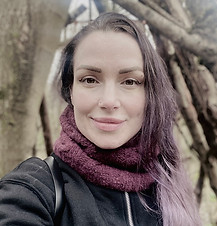
Hiya, I'm Ailsa
I’m a Counsellor/Psychotherapist, Psychologist, Educator and Consultant offering therapy with a difference in the High Peak and online. Via progressive, evidence-based practice, I tailor bespoke therapy for you as an individual: your needs, your pace, your way of being — shown to be better for clients than a one‑size‑fits‑all approach. I help people self‑heal, unlock their innate creative potential and nurture a life that flows.
Who is it for?
It's not just for 'creatives'...
I enjoy working with individuals and groups from all walks of life, and have done so with many different people and organisations to tackle a wide variety of goals and concerns. Explore more below:

Individuals
One‑to‑one therapy offers a safe, private space to explore your thoughts, emotions, relationships and behaviours, supporting healing and growth. In sessions we can work through talking, walking and/or creatively, at your pace.

Groups
Therapeutic group sessions can be one‑off or ongoing, and available online or face to face for established teams or new groups. Create connection, insight and shared growth in a guided, supportive space.

Organisations
I work with organisations to support staff through 1:1 therapy and group sessions. By nurturing wellbeing, purpose, creativity and a sense of flow, people can think more clearly, collaborate more effectively and work with greater ease.

Individual Counselling & Psychotherapy
In-person, Online, & Walk‑and‑Talk Therapy in New Mills, High Peak
Seeking support during difficult times can feel overwhelming, especially if you’re unsure what type of therapy you need or how counselling actually works. Many people arrive here after trying to cope alone — reading, researching, journaling, listening to podcasts, taking in endless online advice, or even using AI (not recommended!) — only to find that the changes don’t last.
Working with a trained, registered, ethical therapist is different. Decades of research show that the therapeutic relationship—a safe, non‑judgemental connection with someone who listens deeply and understands—is one of the most powerful contributors to meaningful psychological change. When you experience empathy, safety and genuine care, it becomes possible to understand yourself more fully, heal, and move forward with clarity.
Anyone can benefit from therapy, and you do not need to be in crisis to reach out. If you are feeling stuck, overwhelmed, confused, anxious, low, or simply ready for change, counselling can offer a grounded and supportive space to help you find your way.
Skip to:
Therapy Options: In-person, Online or Walk & Talk (Eco-therapy)
What to Expect When You Get in Touch
What Happens in a Therapy Session?
My Therapeutic Approach
Every client is unique, which is why I work in a person‑centred, pluralistic way. This means we collaborate to shape therapy around your needs rather than expecting you to fit a single model. While the work is primarily verbal and relational, we can also integrate elements of:
-
Expressive/Creative Arts Therapy
-
Dance/Movement Psychotherapy (DMP)
-
Embodiment, Mindfulness, Sensory & Somatic Awareness
-
Cognitive-Behavioural or Psychodynamic Insights
-
Behaviour Change and Motivation/Solution-focused
-
Pragmatic, Systemic and Empowerment Approaches
-
Creative Process or Flow Management
Experiential and present‑moment methods can support grounding, regulation and insight — especially helpful for stress, anxiety, trauma or overwhelm. Whereas, future-oriented, goal-focused methods can be helpful when you're focused on practical change.
You are always in control of the pace and methods we use, and I am trauma-informed and neurodiversity-affirming. Nothing is ever imposed, and you will never be expected to engage in anything that doesn’t feel comfortable or useful for you.
You can learn more about how I work on my My Approach & Ways of Working page.
Therapy Options: In-person, Online, or Walk & Talk (Eco-therapy)
I currently offer three formats for individual therapy:
Face-to-Face Counselling at The Nest Wellbeing Studio, New Mills
The Nest is a cosy and self-contained unit in the centre of New Mills, with a door tucked away round the side. It is wheelchair accessible, and used by different holistic wellbeing practitioners.
Address:
The Nest Wellbeing Studio
Unit 1 Torr Top St
New Mills
SK224BS
Google maps pin here.
See more information about The Nest Wellbeing Studio.
Online Counselling (UK‑wide)
Accessible, flexible and ideal for clients who prefer working from their own home. All you need is a quiet, private space and a device with stable internet.
Walk & Talk Therapy near New Mills, High Peak
Outdoor counselling (or 'eco-therapy') offers movement, nature and fresh air, which many clients find grounding, calming and freeing.
We can discuss:
-
preferred locations
-
accessibility needs
-
weather plans and alternatives
If you’re unsure which format suits you best, we can explore this during your free 15‑minute consultation.
What to Expect When You Get in Touch
Many people feel nervous about contacting a therapist for the first time. This is completely normal. Whether you’re experiencing anxiety, depression, stress, trauma, burnout, relationship issues, career upheaval or major life changes, taking the first step is often the hardest part.
Here’s what you can expect:
1. Free 15‑Minute Consultation
You can contact me by phone, text or email. I aim to respond within 24 hours.
We then arrange a free consultation (online or by phone), where we discuss:
-
what has brought you to therapy
-
what you hope for
-
any questions you have
-
whether working together feels right
There is no pressure to commit to anything.
2. Agreeing a Plan That Fits
If you choose to begin therapy, we will agree on:
-
weekly, fortnightly or flexible sessions
-
in-person, online or walk‑and‑talk format
-
session length (standard 50 minutes or adjusted)
-
any access or wellbeing needs
-
your aims or intentions for therapy
Your needs may change over time — and our plan can change with them.
3. Your First Session
Once we schedule your first session, we’ll begin exactly where you are. There is no expectation to prepare anything in advance, and you’re always free to pause or end therapy whenever you choose.
What Happens in a Therapy Session?
Sessions begin by helping you settle into the space—online or outdoors—and checking in with what feels most important for you to explore that day.
Depending on your needs and preferences, sessions may include:
-
Exploring your thoughts, feelings and experiences
-
Understanding patterns and behaviours
-
Somatic or embodied awareness
-
Creative or expressive processes
-
Grounding techniques or emotional regulation skills
-
Gentle reflection and insight-building
Towards the end of each session, we may summarise what emerged and identify anything you want to keep in mind throughout the week.
How Long Will Therapy Take?
There is no fixed timeline. Some people experience meaningful shifts within a few sessions; others benefit from medium‑ or long‑term work. It's also completely normal for:
· issues to shift in nature after improvement
· new themes to emerge over time
· clients to return for occasional “top‑up” sessions when life becomes challenging again
Whatever your process looks like, we will work at your pace, and you can adapt or end therapy when you feel ready.
Fees
-
Free 20‑minute consultation
-
£65 Standard / £55 Concessions / £80 Executive & Leadership per 50‑minute session
-
Flexible session lengths/frequency available if helpful.
If finances are a concern, please feel free to ask—I aim to make therapy as accessible as possible where circumstances allow.
Ready to Begin?
You are warmly invited to reach out with any enquiries.
There are no silly questions — and you are welcome exactly as you are.
Book your free 15‑minute consultation
Or learn more about how I work

Group Therapy & Development
Online, In-person Indoors, or Outdoors
Group therapy offers a supportive, relational space where people come together to share experiences, build insight, develop confidence and learn from one another. For many, being part of a group helps reduce feelings of isolation, encourages healthier patterns of relating, and creates opportunities for growth that are different from one‑to‑one therapy.
Whether you’re feeling stuck, anxious, overwhelmed, low in confidence, or simply longing for connection and development, group work can offer a powerful, accessible way to support your wellbeing.
Group therapy and team development workshops can also help existing groups or teams resolve difficulties, enhance cohesion, improve communication or work productively on a particular goal or focus.
Skip to:
Group Formats: Online, Outdoor or Indoors
Who Are Groups For/Unsuitable For?
My Approach to Group Work
These groups are primarily verbal, relational encounter groups—a supportive, facilitated space to talk, listen, reflect and learn collectively.
While conversation and shared exploration are at the heart of the work, different types of group may also desire optional elements such as:
-
gentle creative exploration
-
somatic or grounding practices
-
expressive or sensory methods
-
movement or embodiment work
These additions are always optional/by request, and introduced only when they genuinely support the group’s needs.
I facilitate groups in a trauma‑informed, neurodiversity‑affirming way, ensuring everyone is able to participate at a pace and level that feels right.
Group Formats: Online, Outdoor or Indoors
I offer three types of group settings:
Online Group Therapy (UK‑wide)
Convenient, accessible and ideal for reflective, discussion‑based work. Let me know which times of the week may suit you and I will see if it is possible to form a group at a suitable time.
Outdoor Groups (Walk & Talk / Eco‑Therapy)
Held in natural spaces around New Mills and the High Peak, offering movement, nature and fresh air as part of the group experience.
Indoor Groups (Location TBA)
Suitable for face-to-face exploration, connection and shared creative or interpersonal processes.
What to Expect
Each group session begins with a gentle check‑in to help everyone settle. We then explore whatever feels most relevant to the group that day—this may include emotions, patterns, relationships, challenges or life transitions.
Sessions may include:
-
supportive group discussion
-
shared reflection and listening
-
exploring interpersonal dynamics
-
developing communication and emotional skills
-
optional grounding, creative or somatic techniques
We generally close the group with a brief reflection to help everyone leave feeling more grounded.
Who Are Groups For?
Group therapy can be entered as an individual or formed by an existing team. Group therapy may suit you if you want to:
-
feel less alone with your challenges
-
build confidence and self‑awareness
-
develop relationship or communication skills
-
explore emotions in a safe, structured environment
-
experience support and insight from peers
-
grow within a guided, collaborative community
Groups may be themed or general, and new groups will be announced as they form.
Who Might Group Therapy Be Unsuitable For?
Group therapy is supportive, collaborative and often transformative — but it isn’t the best choice for everyone at every moment in their life. A free consultation helps us explore whether a group is the right fit, or whether individual therapy may be more appropriate right now.
Group work may be unsuitable if:
1. You currently need a high level of support
People who are in acute crisis, experiencing active suicidality, or needing intensive, frequent contact often benefit more from one‑to‑one therapy, crisis services, or a higher level of care.
2. You find it extremely difficult to feel safe around others
If the idea of being in a group triggers overwhelming fear, panic, or distress (especially linked to trauma, social anxiety or past group harm), individual therapy may be a safer starting point.
Note: discomfort is normal — but unmanageable distress may make group work feel unsafe.
3. You prefer a private, highly individualised therapeutic space
Some people simply do their best work one‑to‑one. If you know you prefer privacy, depth, or a very tailored pace, individual therapy might be more suitable.
4. You have difficulty regulating behaviour that might impact group safety
This can include:
-
highly impulsive or aggressive behaviour
-
difficulty respecting boundaries
-
patterns that could overwhelm, interrupt, or dominate the group
This isn’t about blame — just about ensuring safety and trust for everyone.
5. You are in the early stages of processing trauma
Some clients at the start of trauma recovery may feel too raw or destabilised to share space with others. Individual work can help build grounding, safety and resourcing first.
6. You struggle with confidentiality or may find it hard to honour group boundaries
Group work relies on everyone respecting privacy and boundaries. If this feels challenging, individual therapy may be a better fit.
7. You currently use substances in a way that makes participation inconsistent or unpredictable
This doesn’t mean you can’t attend groups — but stability is important to ensure emotional safety for you and others.
8. You feel pressured or “forced” to join a group
Group therapy works best when members genuinely want to take part. If attendance is externally pressured (e.g., by a partner, family member, workplace), it may not be the right environment.
A supportive note
Many people who believe they're “not a good fit for groups” actually thrive once they try them — but it’s always important to start from what feels manageable and respectful of where you are in your process.
A brief chat can help us work out:
-
whether a group is suitable right now
-
whether individual therapy is a better starting point
-
what kind of group (closed, open, creative, educational, embodied, relational) might suit you
Length & Structure
Most groups run as:
-
6‑, 8-or 12‑week closed groups, where everyone starts and ends at the same time, or
-
ongoing weekly/monthly groups, where members may join or leave, or
-
one‑off developmental workshops – bespoke, focused groups by request
Where possible, I keep groups small (5-8 people) to ensure trust, safety and depth of work.
Fees
-
Generally, £30 per person, per 2‑hour group session
-
Minimum 5 participants required for a group to run
-
Some longer programmes or workshops may have different pricing (announced in advance)
Ready to Join a Group?
If you’re interested in joining or creating an upcoming group or want to discuss what group therapy involves, you are warmly invited to get in touch.
Book a free 15‑minute consultation
Or learn more about my therapeutic approach

Organisational Services
Counselling & Wellbeing Solutions to Empower and Nourish Your People
Supporting employee wellbeing is essential for retention, performance, and workplace culture. I offer specialist therapeutic support for organisations, combining Employee Assistance Programme (EAP) counselling with expertise in the wellbeing, creative and high‑performance sectors.
Services are available online UK‑wide, with the option of in‑person delivery by arrangement.
Skip to:
Sector‑Specific Support for Creative & High‑Performance Industries
Fees, Arrangements & Enquiries
EAP Counselling for Employees
I provide independent, confidential, short‑term counselling for staff experiencing:
-
stress, anxiety and emotional overwhelm
-
workplace conflict or pressure
-
low mood, burnout and compassion fatigue
-
role changes, transitions or redundancy
-
vicarious trauma (common in wellbeing, caring and frontline roles)
-
difficulties outside work affecting performance
HR managers can refer employees directly, or staff may self‑refer through an agreed pathway.
This service helps organisations:
-
reduce sickness absence
-
improve staff retention
-
support wellbeing during periods of high demand
-
provide early intervention before issues escalate
-
offer a confidential resource that staff trust
Sector‑Specific Support for Creative & High‑Performance Industries
I specialise in supporting creatives, performers, athletes and staff working in high‑pressure environments such as record labels, high-performance organisations, production companies and sports industries.
These sectors face unique challenges that impact wellbeing and performance, including:
-
sustaining creativity and flow state under pressure
-
performance anxiety and public‑facing stress
-
unpredictable schedules, travel and workload peaks
-
emotional labour, creative burnout and identity strain
-
exposure to hedonistic environments or substances
-
career transition, injury, retirement or industry exit
Therapeutic support focuses on:
-
emotional resilience and psychological safety
-
stress management and performance sustainability
-
maintaining creativity and focus without burnout
-
healthy boundaries, self‑regulation and recovery
-
preparing for transitions such as career change or retirement
This helps talent remain grounded, stable, creative and professionally effective.
Why HR Teams Work With Me
Organisations choose to partner with me because I offer:
-
A person‑centred, relational therapeutic approach
-
Pluralistic, flexible methods adaptable to employee needs
-
Trauma‑informed, neurodiversity‑affirming practice
-
Experience supporting creative, wellbeing and performance‑based roles
-
A balance of confidential staff support and clear organisational communication
-
Optional integration of creative or somatic methods where appropriate
The result is a service that supports individual wellbeing while helping HR uphold healthy, sustainable workplace culture.
Delivery Options
-
One‑to‑one counselling sessions (online or in‑person by arrangement)
-
Short‑term EAP programmes
-
Specialist wellbeing support for creatives and performers
-
Group development or reflective practice sessions
-
Workshops and wellbeing interventions (on request)
All support can be adapted to your organisation’s structure and workforce.
Fees & Arrangements
Fees vary by:
-
number of employees referred
-
session frequency
-
online vs. in‑person work
-
delivery structure
-
contract length
Please get in touch to discuss a tailored agreement that meets your organisation’s wellbeing and budget requirements.
Enquiries & Referrals
To arrange a discussion, request a proposal, or set up a referral pathway, you are welcome to contact me directly.
I’m happy to explore your organisation’s needs and how counselling support can enhance staff wellbeing, retention and professional sustainability.
Read more about me and my professional background
Or my approach & ways of working

STAY IN THE KNOW
Testimonials
About Success Stories...
I follow the professional and ethical codes set out by my accrediting organisations and so I do not ask Counselling/Psychotherapy clients for testimonials. The British Association for Counselling and Psychotherapy (BACP) strongly advises caution, requiring members to uphold ethics by ensuring confidentiality, protecting client autonomy, and avoiding exploitative dual relationships. Furthermore, the United Kingdom Council for Psychotherapy (UKCP) state: “11.3 The psychotherapist undertakes not to make or support unjustifiable statements relating to particular therapies or therapists or include testimonials from clients in any advertising material.” – UKCP Ethical Principles and Code of Professional Conduct The reasons for this are multiple, but not least because each client is unique and therefore should not be asked to base their expectations on the experiences of another counselling or therapy client. Also, to do so may breach client confidentiality or make clients feel uncomfortable. Lastly, any Psychotherapist or counsellor would be able to simply make up their own ‘testimonials’ and publish them as legitimate client testimonials in their advertising material, which may mislead would-be clients. However, I can honestly and safely report what clients frequently tell me: They feel safe and empowered within my sessions, they find our work useful, and it enables them to be consistently engaged with the therapeutic process to achieve inner changes that they often have not managed to find in other therapy experiences. Also, I have delivered countless educational, personal development and professional training events and workshops in the past and am able to present some feedback and evaluative comments from the various attendees here. They do not offer a clear window into the experiences of therapy clients, unfortunately, but they may be informative or helpful if you are trying to establish perceptions of me as a teacher-practitioner.

Get in Touch
Reach out for therapy and training inquiries, collaborations, or to learn more about CreativeFlow Psychology services. I never send spam, so please use the comments box to give me a general idea of what you would like some help or information around. Or, feel free to email, text or ring me using the below details. I aim to respond within 24 hours.
ailsa@creativeflowpsychology.com / Tel. 07850962690
